Coconut, By the Numbers: 10 Facts You Should Know
by CKC INSIGHT Editorial — Apr 22, 2026 — 3 min read 64 views
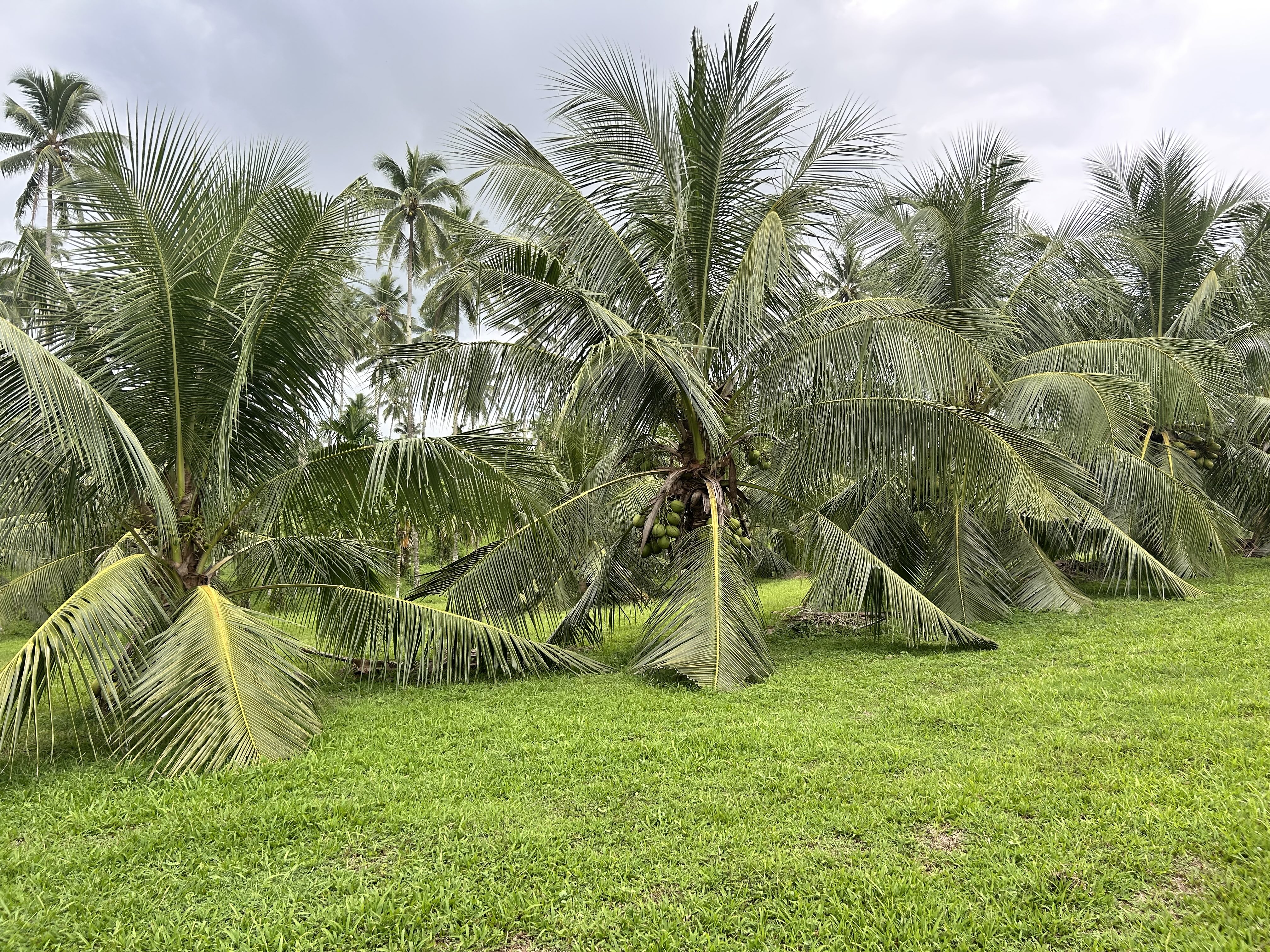 A quick, fact-based look at the crop behind a global industry
The coconut palm is one of the most widely grown perennial crops in the tropics. It feeds rural economies, food systems, and a growing list of industrial markets, yet most people know surprisingly little about how the sector actually works.
Here are ten facts that sketch out the shape of the modern coconut economy.
1. It's grown in more than 90 countriesCoconut palms stretch across a wide tropical belt, from Asia and the Pacific to Africa, Latin America, and the Caribbean. But production is concentrated mainly in Southeast and South Asia, especially Indonesia, the Philippines, and India, making coconut one of the most globally dispersed crops on the planet.
2. Indonesia grows more coconut than anywhere elseRoughly a quarter to a third of the world's coconut comes from Indonesia, spread across Sulawesi, Sumatra, Maluku, and Java. Yet despite that scale, most of it is still grown the old-fashioned way, on small family farms.
3. Millions of farmers depend on itCoconut supports tens of millions of rural households across producing countries. Unlike a crop like oil palm, which tends to live on large estates, coconut mostly grows on small farms, making it one of the most widely shared agricultural systems in the tropics.
4. A lot of coconut trees are getting oldMany plantations were planted decades ago and are now well past their prime, some palms are 40 to 60 years old, and yields drop off sharply with age. Replanting simply hasn't kept up with the crop's natural lifecycle.
5. The farmers are aging tooIt's not just the trees. In many producing countries, the average coconut farmer is getting older, as younger generations move toward cities or other work. That leaves an aging population managing an aging crop, a double challenge for the sector's future.
6. One tree, many usesFew crops are as versatile as coconut. A single palm can yield oil, milk, and water for food; fibre for horticulture and materials; shells and biomass for charcoal and energy; and organic matter for soil health. It's less a single crop than a small ecosystem of products.
7. The world wants more of itOver the past twenty years, demand has spread well beyond the kitchen, into plant-based foods, coconut water, personal care products, horticultural substrates, and natural fibres. Coconut has quietly become part of the global food, wellness, and materials economy.
8. Processing capacity varies a lotSome countries have built serious coconut processing industries, but many still export raw or barely processed product. Building up that processing capacity is one of the clearest ways producing countries could capture more value from what they grow.
9. It's a fragmented crop, for better and worseCoconut isn't grown on big consolidated plantations like oil palm, it's scattered across countless small farms. That makes coordination, replanting, and new technology harder to roll out. But it's also exactly why the sector supports so many rural livelihoods.
10. The sector may be entering a new chapterAs demand grows and aging plantations become harder to ignore, momentum is building around plantation rehabilitation, better planting materials, integrated processing, circular use of biomass, and more regenerative farming. Coconut is increasingly being seen not just as a crop, but as a platform for several industries at once.
Coconut has always been versatile. The real challenge now is building the systems that let it live up to that.

CKC INSIGHT Editorial
The editorial and media arm of the CKC Platform, covering the coconut sector.
Latest Essays
Similar Articles
Discussions
No comments yet. Be the first to start the conversation!
Leave a Comment